
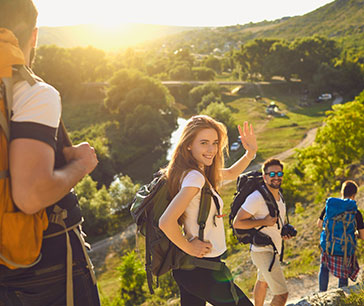
Travel preferences have changed dramatically in recent years. More people are moving away from traditional vacations centered around resorts and crowded tourist attractions, choosing instead to pursue experiences that feel more active, immersive, and meaningful. This shift is one of the main reasons guided adventure travel continues to grow in popularity among travelers of all ages.
Modern travelers increasingly value experiences that combine exploration, culture, and personal connection. Travel companies such as Tao Travel reflect this evolving demand by offering structured experiences that allow travelers to explore destinations in a more engaging and organized way without losing the sense of discovery that makes adventure travel appealing.
As travel becomes more experience-driven, guided adventure tours are emerging as a preferred option for people seeking both excitement and convenience.
The Shift from Traditional Tourism to Experiential Travel
In the past, many vacations focused primarily on relaxation and sightseeing. While those experiences still appeal to some travelers, there is growing interest in journeys that feel more interactive and personally rewarding.
Adventure travel often includes:
- Outdoor exploration
- Cultural immersion
- Physical activities
- Local experiences outside standard tourist routes
Travelers are no longer satisfied with simply visiting famous landmarks. They want experiences that create stronger emotional connections and lasting memories.
Guided adventure travel supports this trend by offering organized access to experiences that may be difficult to arrange independently.
Convenience Without Losing the Sense of Adventure
One reason guided adventure travel has become more attractive is the balance it offers between structure and exploration. Independent travel can be exciting, but it also requires significant planning, research, and coordination.
Guided tours simplify many of these challenges by handling:
- Transportation
- Accommodation logistics
- Activity planning
- Local coordination
This allows travelers to focus more on the experience itself rather than the stress of organizing every detail.
At the same time, modern guided tours are often designed to avoid feeling overly rigid. Many now emphasize flexibility and authentic experiences rather than highly controlled schedules.
Access to Unique and Remote Destinations
Adventure travel often involves destinations that are less accessible or more difficult to navigate independently. In these cases, guided travel provides both convenience and safety.
Experienced guides help travelers:
- Navigate unfamiliar regions
- Understand local customs
- Access remote locations
- Avoid common travel complications
This is especially valuable in destinations where language barriers, transportation systems, or local regulations can make independent travel more challenging.
Guided experiences often open doors to places travelers may not feel comfortable exploring entirely on their own.
Safety and Confidence for Travelers
Safety has become an increasingly important consideration for many travelers, particularly when visiting unfamiliar destinations or participating in physically demanding activities.
Guided adventure travel provides an added sense of security through:
- Experienced local guides
- Organized transportation
- Planned itineraries
- Emergency support if needed
For solo travelers, this support can be especially reassuring. It allows them to experience adventurous destinations while reducing many of the uncertainties associated with traveling alone.
The confidence that comes with organized support encourages more people to try experiences they might otherwise avoid.
Cultural Experiences Beyond Standard Tourism
Adventure travel is no longer just about physical activity. Many travelers are equally interested in cultural immersion and local interaction.
Guided experiences often include:
- Visits to local communities
- Regional food experiences
- Cultural workshops or traditions
- Interaction with local guides and residents
These experiences create a deeper understanding of the destination and make travel feel more personal.
Instead of remaining isolated within tourist environments, travelers become more connected to the people and culture of the places they visit.
The Rise of Small Group Adventure Tours
Small group travel has become one of the fastest-growing segments within the adventure tourism industry. Travelers increasingly prefer smaller, more flexible groups over large tour buses and crowded itineraries.
Smaller groups typically offer:
- More personal interaction
- Better access to local experiences
- Greater flexibility during the trip
- Stronger social connections among travelers
This style of travel often feels more authentic and less commercialized, which aligns with the preferences of modern travelers seeking meaningful experiences.
Social Connection Is a Major Appeal
Adventure travel naturally creates shared experiences, which often lead to strong social connections among travelers.
Whether hiking, exploring cultural sites, or participating in local activities, travelers tend to bond more easily when sharing unique experiences together.
For many people, this social aspect becomes one of the most rewarding parts of the journey. It is particularly valuable for:
- Solo travelers
- Remote workers
- Travelers seeking community and connection
Guided tours create an environment where meeting like-minded people feels natural and comfortable.
Why Younger Travelers Are Driving the Trend
Millennials and Gen Z travelers have played a major role in the growth of adventure travel. These generations often prioritize:
- Experiences over material purchases
- Authenticity over luxury
- Exploration over passive tourism
Social media has also contributed to this shift by increasing interest in unique destinations and immersive travel experiences.
However, adventure travel is no longer limited to younger audiences. Travelers across different age groups are increasingly seeking active and culturally rich experiences rather than standard vacation packages.
Sustainability and Responsible Tourism
Modern travelers are also more aware of how tourism affects local communities and environments. Guided adventure travel often aligns better with responsible tourism practices than mass tourism.
Smaller, experience-focused tours frequently:
- Support local businesses
- Use local guides and accommodations
- Encourage respectful cultural interaction
- Reduce overcrowding at major tourist sites
This approach benefits both travelers and local communities by creating more sustainable and mutually positive travel experiences.
The Emotional Value of Adventure Travel
One of the reasons adventure travel leaves such a lasting impression is that it often pushes people outside their normal routines and comfort zones.
Whether exploring unfamiliar cultures, trying new activities, or navigating new environments, travelers gain:
- Confidence
- Perspective
- Personal growth
- Memorable experiences tied to emotion and discovery
These experiences tend to feel more meaningful than passive vacations because they involve active participation and genuine engagement.
Final Thoughts
Guided adventure travel is becoming more popular because it combines the excitement of exploration with the convenience and support modern travelers value. Instead of choosing between structure and authenticity, travelers can now experience both through thoughtfully designed adventure experiences.
From cultural immersion and social connection to safety and accessibility, guided adventure tours offer a balanced way to explore the world more deeply. As travelers continue prioritizing meaningful experiences over traditional tourism, the demand for immersive, experience-driven travel is likely to keep growing.
For modern travelers seeking more than just sightseeing, guided adventure travel offers something increasingly valuable: the opportunity to connect with places, people, and experiences in a way that feels genuinely memorable.